Support production with energy systems built for industrial demand
Energy is a direct input in manufacturing, influencing production cost, output consistency, and operational planning. Fluctuating tariffs, peak demand charges, and grid instability can directly impact factory performance and margins.
At Infrax Renewable, we design solar power systems for factories that match production cycles, machinery loads, and industrial electrical environments. These systems are built for consistent operations while improving control over energy usage.
Delivered through a single EPC model, each project is executed with a structured approach for reliable integration without affecting production continuity.
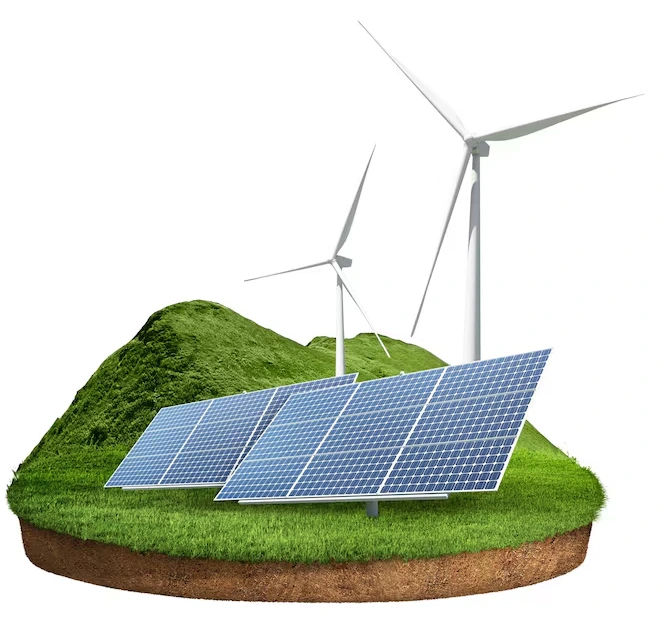
Designed for high-load industrial operations
Supports production stability across shifts
Reduces exposure to peak demand charges
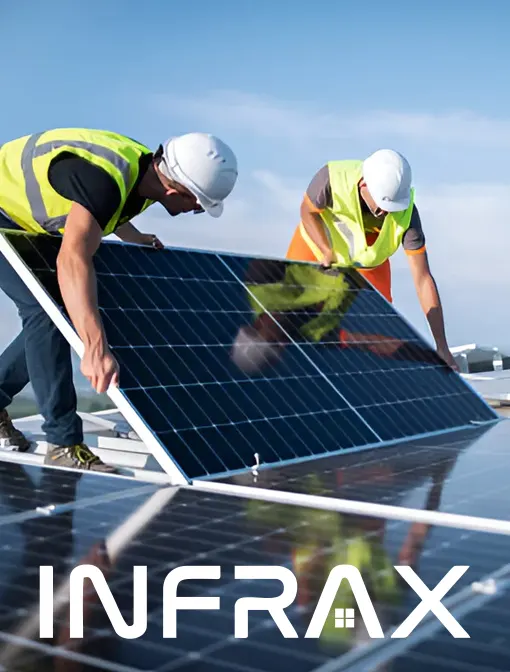
Each system is engineered to match factory operations, ensuring energy generation and usage match production requirements:
Solar systems generate electricity during daytime shifts, supporting machinery, processing units, and operational equipment when demand is highest.
The system is connected to existing factory infrastructure, ensuring compatibility with heavy equipment and maintaining stable power conditions.
Solar generation reduces dependence on grid power during high-demand periods, helping reduce peak load requirements and associated costs.
Power is distributed based on operational priorities, ensuring critical production processes receive a consistent energy supply.
Infrax Renewable systems are configured to meet the specific demands of factory environments, using proven approaches applied in solar power commercial buildings and other large-scale energy applications:
Supports motors, processing units, and continuous production equipment without performance fluctuations.
Configured for factories with batch processes, shift operations, or changing load patterns.
Maintains consistent voltage and power quality required for sensitive industrial equipment.
Helps reduce grid dependency during high-load intervals, improving overall energy cost control.
System capacity can be increased as manufacturing output and energy demand grow.
Provides visibility over energy generation and usage for better operational decision-making.
Each factory installation is executed for operational alignment and long-term performance:
Share your production details, load profile, and facility specifications to receive a system plan aligned with your operational and cost requirements.
A solar system is sized based on your factory's energy consumption, machinery load, and operating hours. Additional factors like peak demand patterns and available installation space are considered so the system matches your production requirements.
Solar supports daytime operations directly and works alongside the grid supply for continuous production. This helps reduce reliance on grid power during peak working hours while maintaining operational stability.
No, installation is planned to avoid disruption to production. Work is typically scheduled in phases or during low-activity periods so operations continue smoothly.
Yes, solar systems can be designed to accommodate changing energy needs. They can also be expanded later if your production capacity increases.