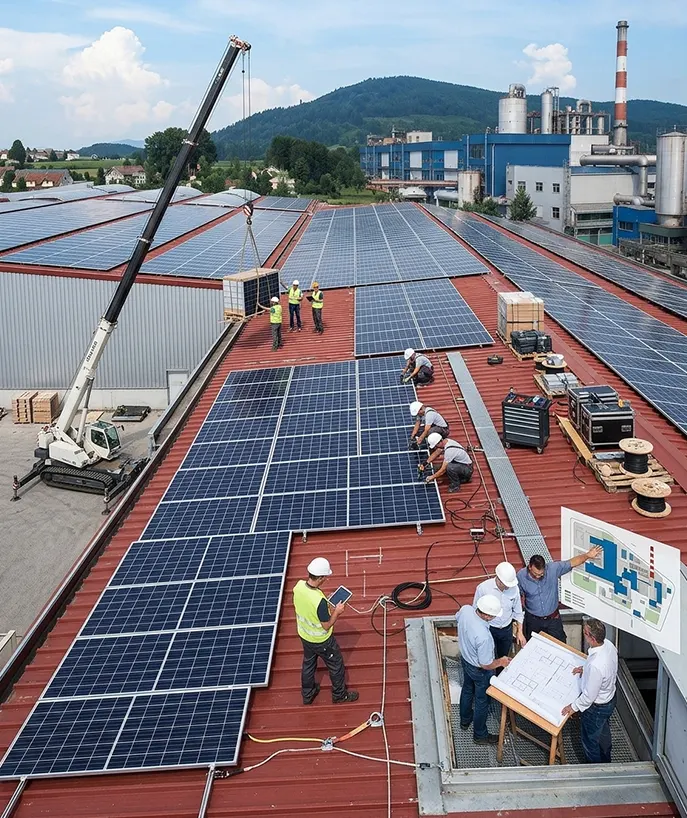
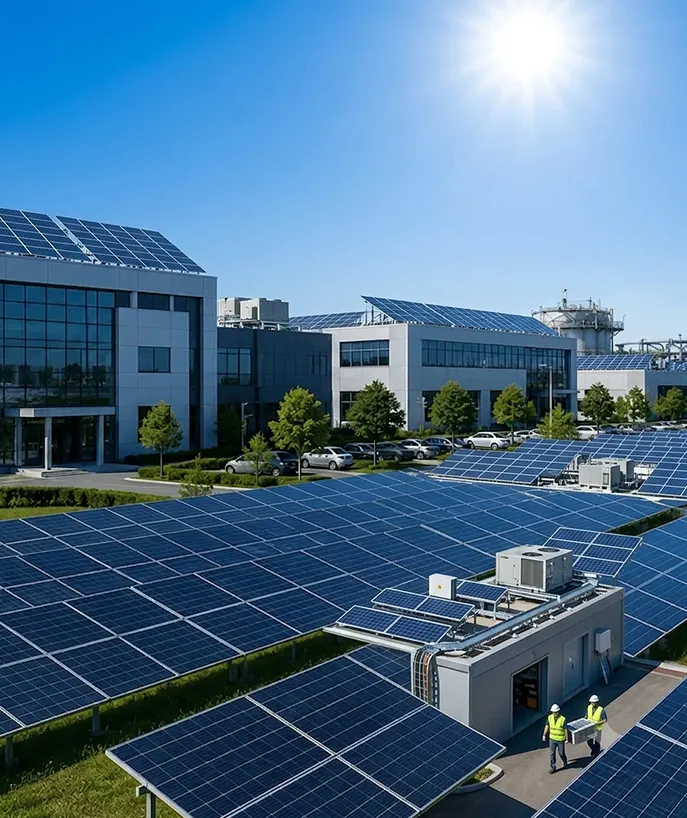
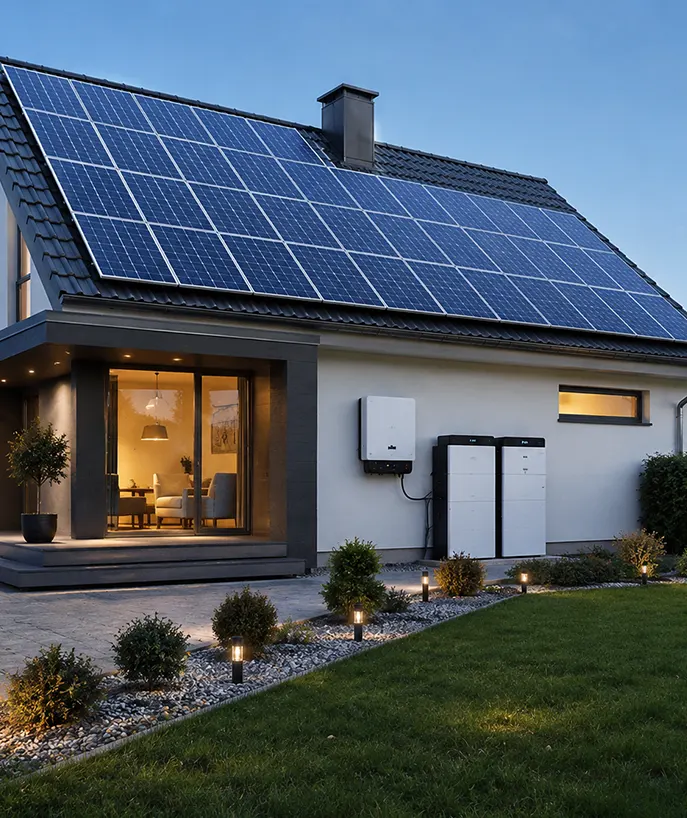
Helping homeowners reduce long-term electricity expenses through solar energy
Solar panels for homes cost savings are often evaluated based on the savings they can generate over time. While every household has different electricity consumption patterns, a properly planned solar system can help reduce dependence on grid electricity and contribute to lower long-term energy expenses.
At Infrax Renewable, we help homeowners evaluate solar from a financial perspective as well as an energy perspective. Our planning process focuses on understanding household electricity usage, identifying solar generation opportunities, and aligning system recommendations with long-term cost-saving objectives.

Residential solar planning aligned with household electricity usage
Evaluation of long-term electricity cost reduction opportunities
System recommendations based on energy and savings objectives
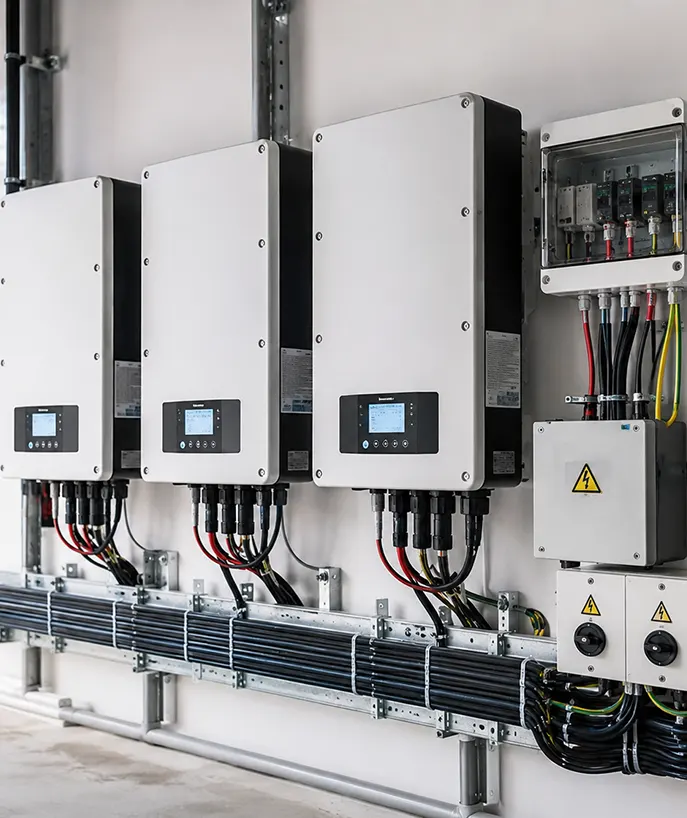
Every household consumes electricity differently. At Infrax Renewable, we assess the factors that influence how much value a solar system can deliver over time.
We review existing electricity usage patterns to understand how solar generation can contribute to household energy requirements.
Available installation space, site conditions, and generation capacity are assessed to determine how much electricity can be produced.
The timing of electricity consumption can influence how effectively solar generation is utilised within the home.
System recommendations are planned around household energy requirements and long-term cost-saving expectations.
At Infrax Renewable, residential solar planning includes evaluating multiple factors that can influence long-term savings outcomes.
Monthly household electricity consumption
Available rooftop installation area
Daytime energy usage requirements
Solar generation potential
Future household energy needs
Long-term energy consumption patterns
Our focus extends beyond installation capacity alone. We evaluate how the solar system can support household energy requirements over the long term.
Solar recommendations are aligned with actual household electricity requirements rather than standard system configurations.
Installation planning considers rooftop conditions, available space, accessibility, and project feasibility.
System sizing can consider future changes in household electricity usage wherever applicable.
From planning through installation, our team supports coordinated project delivery and implementation.
Homeowners work with Infrax Renewable because our solar planning approach considers both household energy requirements and long-term value expectations.
Explore how a residential solar system can help offset household electricity consumption and create long-term value from available rooftop space.
Many homeowners evaluate solar as a long-term infrastructure investment that can support ongoing energy requirements over several years.
Yes. Electricity consumption is one of the factors considered when evaluating system sizing and potential energy offset opportunities.
The timeline varies based on electricity consumption, system size, installation conditions, and local electricity costs. Project-specific evaluation helps estimate potential outcomes.
Yes. Where applicable, system planning can consider anticipated changes in household electricity usage and future energy needs.