Industrial solar installation cost aligned with operational and infrastructure requirements
Industrial solar panel installation cost depends on more than panel capacity alone. System pricing is influenced by infrastructure conditions, energy demand, installation scale, electrical integration requirements, and project execution complexity.
At Infrax Renewable, industrial solar installations are evaluated based on facility conditions, electricity usage, and long-term energy requirements rather than standardised pricing assumptions. Each project is evaluated based on infrastructure readiness, installation scope, and system capacity requirements to define project cost.
Businesses across manufacturing facilities, warehouses, and processing units are investing in solar infrastructure to improve long-term energy cost control and operational efficiency.

Industrial solar installation cost aligned with operational requirements
System pricing planned around actual infrastructure conditions
Installation scope evaluated based on facility energy usage
Industrial solar system cost in India generally ranges between ₹35,000 and ₹60,000 per kW, depending on project size, infrastructure conditions, system configuration, and installation complexity. Larger projects often achieve lower per-kW costs due to scale efficiencies.
Estimated Industrial Solar Installation Cost by System Size
| System Size | Approximate Cost Range |
|---|---|
| 20 kW | ₹8 lakh - ₹12 lakh |
| 50 kW | ₹20 lakh - ₹30 lakh |
| 100 kW | ₹40 lakh - ₹60 lakh |
| 500 kW | ₹2 crore - ₹3 crore |
| 1 MW | ₹4 crore - ₹5 crore |
Note:These estimates typically include solar panels, inverters, mounting structures, electrical integration, wiring, and installation activities. Final project cost depends on actual site conditions and execution requirements.
Industrial solar installation costs are determined by infrastructure conditions, operational requirements, and project execution scope.
Larger facilities with higher electricity consumption require higher-capacity systems, directly affecting project cost and installation scale.
Industrial rooftop layouts, structural conditions, accessibility, and available space influence installation complexity.
Solar integration cost depends on transformer capacity, cabling requirements, synchronisation conditions, and system connectivity.
Ground-mounted industrial solar systems may involve land preparation and civil work, while rooftop systems require infrastructure compatibility and structural assessment across industrial solar panel installation India.
Panel technology, inverter specifications, mounting structures, monitoring systems, and protection components influence both project pricing and long-term system performance.
At Infrax Renewable, industrial solar project costing is structured around complete execution requirements across the installation scope.
Solar panels and industrial-grade mounting structures
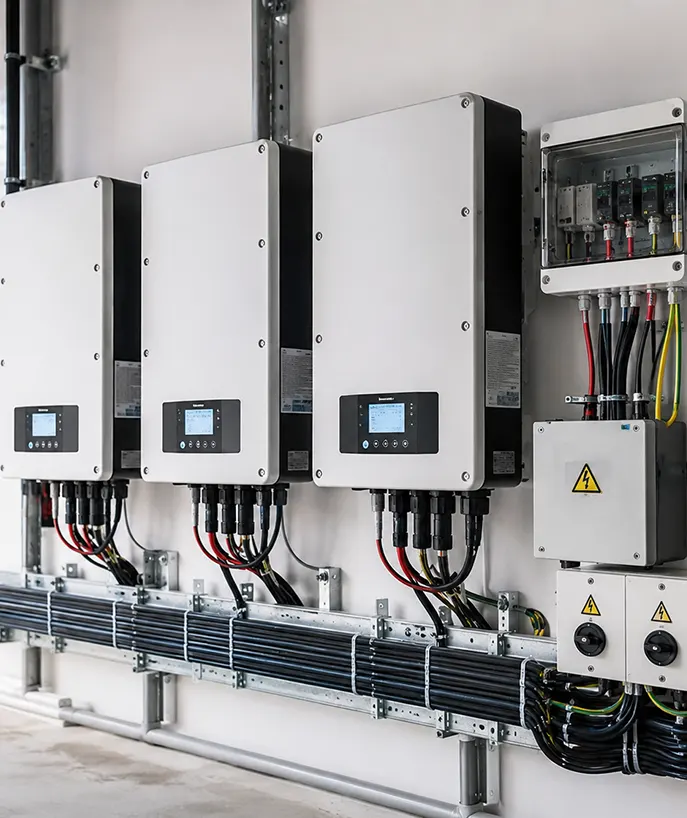
Inverters, cabling, and electrical integration components
System design and infrastructure planning activities
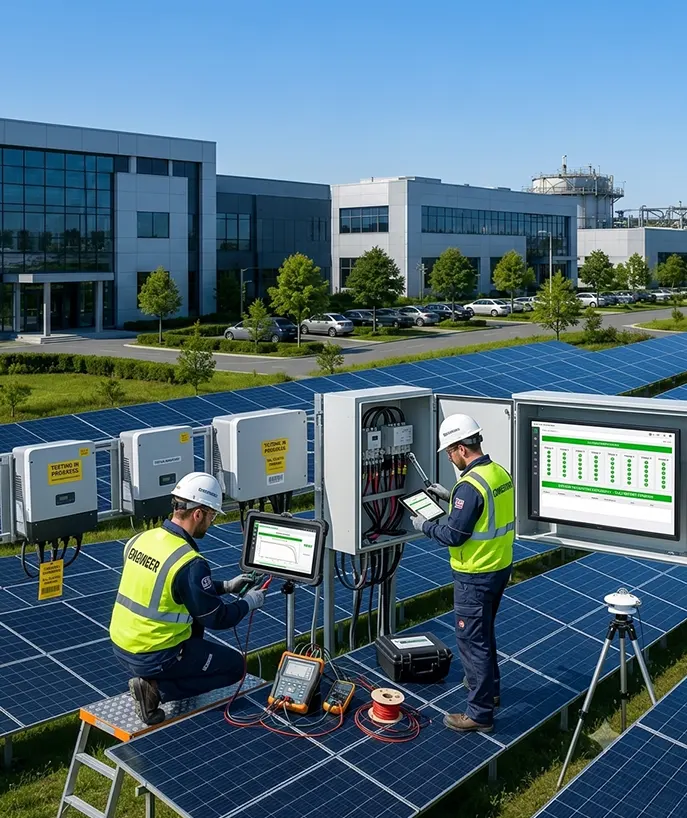
Installation execution across industrial facilities
Testing, commissioning, and system validation
Monitoring setup and operational support coordination
Industrial solar project costing is evaluated through infrastructure analysis, operational assessment, and installation scope evaluation rather than fixed package pricing.
System sizing is aligned with actual electricity consumption patterns, operational load conditions, and production-related energy usage across the facility.
Project cost is assessed after evaluating rooftop conditions, electrical infrastructure, installation access, and execution feasibility.
Industrial solar installation pricing is influenced by project scale, deployment complexity, safety requirements, and coordination activities required during execution.
Cost planning also considers system durability, maintenance accessibility, and long-term usability rather than only installation cost.
Industrial solar installations are increasingly being adopted to improve long-term energy management at high-consumption facilities.
Businesses choose Infrax Renewable for industrial solar execution aligned with infrastructure conditions and energy requirements:
Share facility details and infrastructure requirements to evaluate an industrial solar installation approach aligned with business operations.
Standard grid-connected industrial solar systems usually shut down during power outages for safety compliance. However, facilities can integrate battery storage or hybrid system configurations for backup power support.
In most cases, installations are planned to minimise operational disruption. Execution is typically coordinated in phases to align with industrial safety protocols, production schedules, and electrical integration requirements.
Yes, rooftop structural evaluation is important before installation. Load-bearing capacity, roofing condition, layout accessibility, and mounting compatibility are assessed to ensure safe and stable system deployment.
Industrial solar systems generally require periodic panel cleaning, electrical inspections, performance monitoring, and preventive maintenance to maintain long-term operational efficiency and system reliability.